


The exhaustion was striking. At dinner with colleagues after the third day of the 43rd EU PVSEC conference and exhibition in Rotterdam, fatigue set in as the conversation turned to hopes for a revival of European solar cell and module manufacturing. Feet and minds were weary after a busy day, but it was the subject matter that proved particularly enervating.
Around the table were PV manufacturing experts who had built their careers first at German solar manufacturers and later in the equipment-supply business. They had little energy left to discuss the prospects for a return of PV production to the European Union. Questions about whether new EU policies could spur a revival were met with deep sighs. Although not quite universal, it was a recurring sentiment at EU PVSEC this year.
Yet there is little doubt that many of the prerequisites for a thriving solar manufacturing sector still remain in place in Europe. Market demand is strong, with promising developments in novel and innovative PV applications. Manufacturing know-how across PV materials remains abundant, while Europe retains considerable expertise in production equipment. The EU research community – out in full force in Rotterdam – also continues to lead global research efforts across a range of fronts. So what is holding back Europe’s PV manufacturing revival?
Fundamentals in place
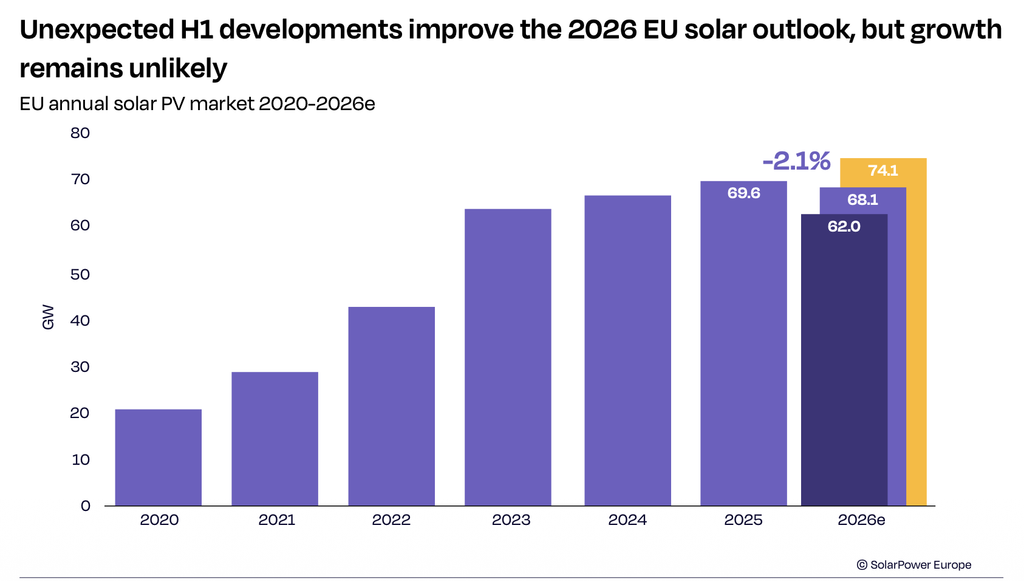
Looking more closely at each of these factors should give cause for optimism. In the first half of 2026, almost 34 GW of solar was installed across the EU’s diverse and resilient markets, up nearly 2% on the previous year, according to SolarPower Europe’s Mid-Year Analysis. This tracks with the association’s medium scenario, which puts full-year installations at around 68 GW.
European know-how also runs deep across the solar supply chain. Speaking during a panel discussion, Oliver Schultz-Wittmann, chief technology officer at aspiring French manufacturer Holosolis, noted that European engineering and production-equipment teams are helping to establish and ramp up manufacturers in India and the United States. The expertise and experience gained in those markets, he argued, could ultimately be brought back to Europe.
The strength of Europe’s scientific research base was similarly evident. In a presentation tracing the history of module-level innovation, Fraunhofer ISE’s Dirk-Holger Neuhaus made the case that technologies developed in Europe have helped drive conversion efficiencies higher, pushed PV further along its learning curve, and contributed to the remarkable competitiveness the technology enjoys today.
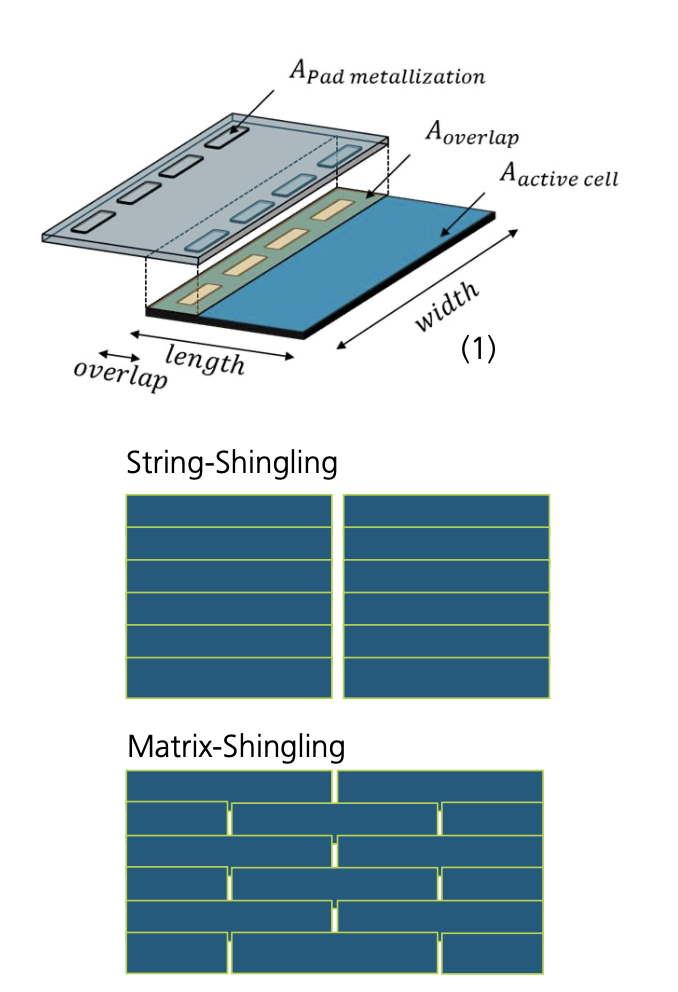
In setting out these innovations, their commercialisation partners and the manufacturers that led their adoption, Neuhaus showed just how many had helped shape the modern PV module. He pointed to muilti-busbar technology, non-destructive cell separation, edge passivation processes, and novel shingling approaches and their impacts.
Neuhaus also highlighted ISE’s Shingle Matrix technology, which has been deployed in a world-record 34.4%-efficient module incorporating III-V cells. An Oxford PV perovskite-tandem module utilizing Matrix was also unveiled at Intersolar this year, achieving 26% conversion efficiency.
The industrial gap
There is no doubting Europe’s impressive track record of PV innovation. But when it comes to translating those achievements into competitive mass production, a sizable gap remains.
“Knowing what the target is should be very clear, and it is in Turkey, India, China,” said Holosolis’ Schultz-Wittmann. “They have that strategy and the rest is implementation – but [in Europe] we’re not really clear on the strategy.”
The EU’s 2024 Net-Zero Industry Act (NZIA) moved towards establishing such a target, setting a benchmark for the EU to manufacture at least 40% of its annual deployment needs for net-zero technologies by 2030. Applied to PV, and assuming SolarPower Europe’s medium forecast of 67 GW of installations in 2030 is realised, that would imply close to 38 GW of European solar manufacturing capacity. In 2026, only a fraction of that capacity is in place, let alone fully ramped.
Implementation of the NZIA at national level has also largely failed to deliver the market conditions European producers need. Early measures in Italy, Austria, France and Spain have resulted in some diversification of PV module sourcing, but not enough to move the needle for European manufacturers, which continue to languish. And action across the rest of the EU remains patchy and far from comprehensive.
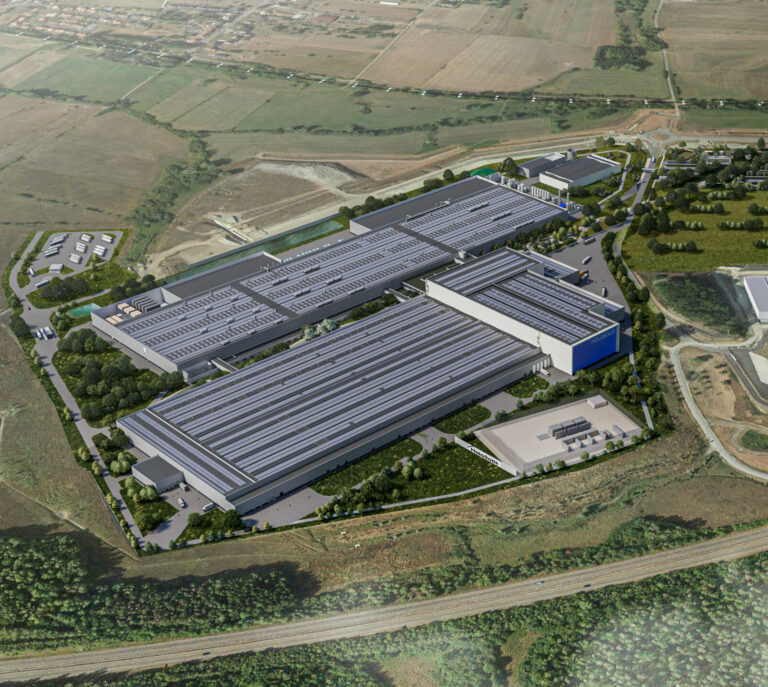
Source: Holosolis
The new hope
But there is hope on the horizon in the form of the EU’s Industrial Accelerator Act (IAA), European Solar Manufacturing Council (ESMC) representative Christoph Podewils contended in Rotterdam. The IAA is currently making its somewhat tortuous way through the EU policymaking process, he said, but has the potential to become the first legislative instrument by which Made in Europe criteria can be codified and enforced.
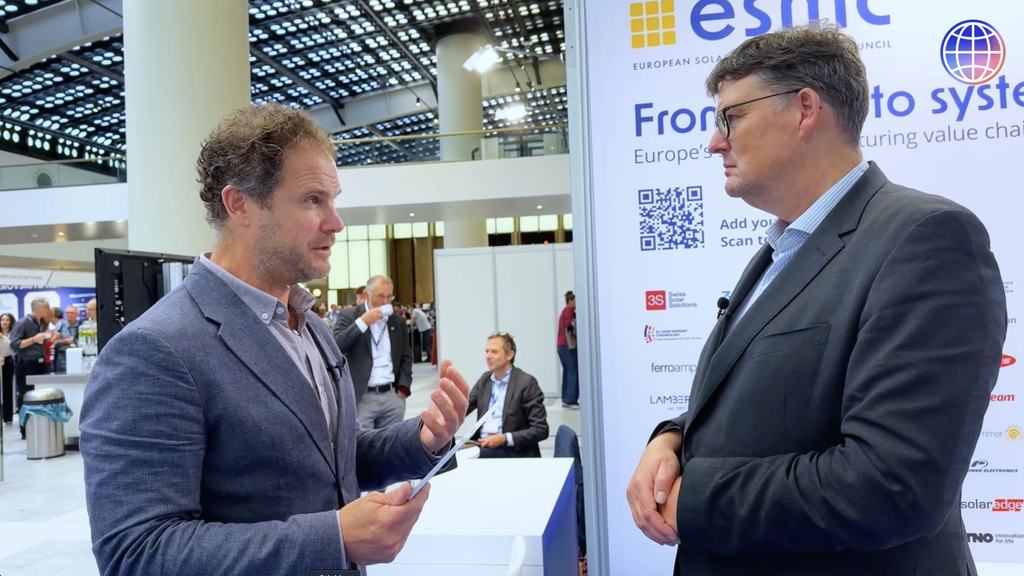
Given Europe’s seemingly Byzantine policy structures and the vagaries of national implementation, however, much remains unclear about the shape the IAA will ultimately take. Podewils said it was essential that its Made in Europe criteria be clearly defined.
“It should be making Made in Europe certifiable and in a unified way – a common harmonised standard of what it means and how it is supplied,” said Podewils.
He expects greater clarity on the shape of the IAA and its impact by the time the EU PVSEC convenes in Freiburg – home of Fraunhofer ISE – from Sept. 20 to 24 next year.
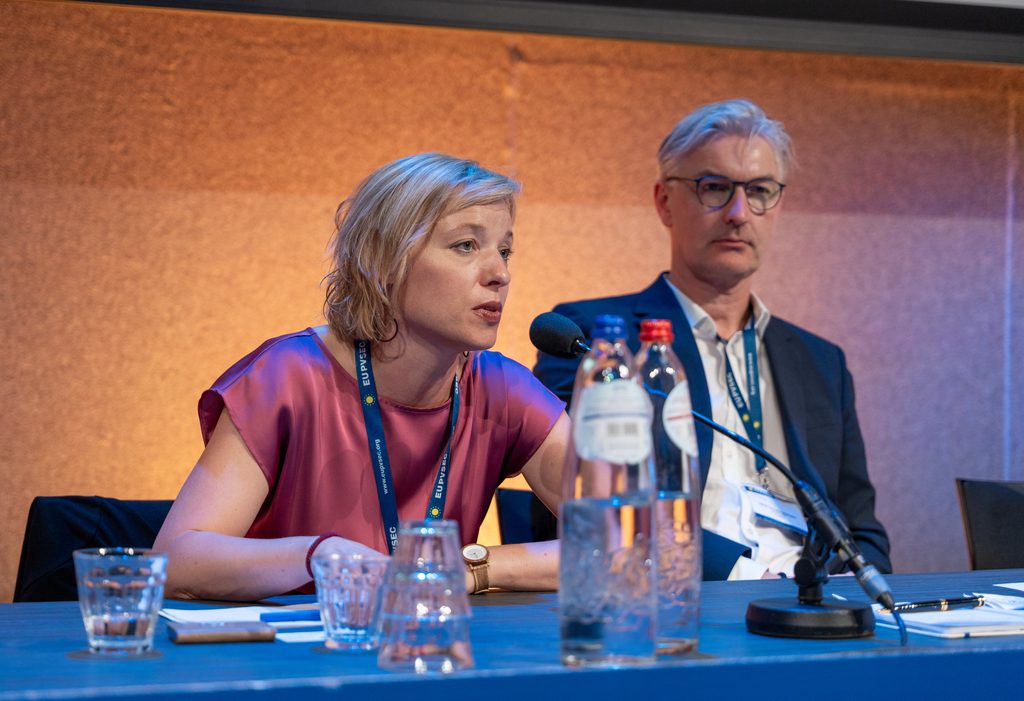
While the IAA holds some promise, “supply-side policies are just not just enough,” cautioned Anett Ludwig, the Head of Supply Chains with SolarPower. “Europe should also deliver for solar PV as it has for fossil fuels since the Strait of Hormuz – manufacturers need help during the ramp up phase.”
Simply getting to that ramp-up phase would be a start.
Holosolis still appears some way from realising its planned 5 GW TOPCon production facility and its compatriot Carbon abandoned its own 5 GW plans in May.
That same month, Enel reported that three lines were operating at its planned 3 GW 3Sun Gigafactory in Sicily, representing 1.8 GW of nameplate capacity. Utilisation, however, is likely low, with actual production well below that potential. Enel has also shifted reporting of 3Sun’s financial performance away from its Italian operations and into the “Other, eliminations and adjustments” line of its first-half 2026 financial report. That segment recorded an €8.2 million loss during the period, although it is unclear how much was attributable to 3Sun.

The price of Made in Europe
Such difficulties are hardly unique to European producers. Oversupply and operating losses have been defining features of global solar manufacturing since 2023.
“They are bleeding money,” BloombergNEF solar analyst Jenny Chase told me during an episode of The smarter E Podcast earlier this year. “The trouble is that the barriers to entry are not that great, and so you get hundreds of companies coming in and manufacturing at scale and there’s a second-mover advantage because your newer factories are better than your older factories.”
“It‘s great for costs, great for consumers, but absolutely terrible if you’re a manufacturer.”
Chase saw little prospect of the oversupply easing in the near term. And it raises questions about whether the rapid manufacturing expansions being heralded as success stories elsewhere offer a model Europe should seek to emulate. India has added some 200 GW of module and 35 GW of cell manufacturing capacity in just two years. Over a similar period, U.S. manufacturers have added more than 50 GW of module capacity, but only a handful of gigawatts of cell production.
Does Europe want to pursue the same path?
Certainly, trade barriers and requirements for governments to procure higher-priced European solar products would inevitably increase the cost of PV – and, potentially, electricity. There is also a risk that higher costs could slow solar deployment, putting further pressure on a downstream industry already contending with increasingly frequent negative electricity prices and low capture rates.
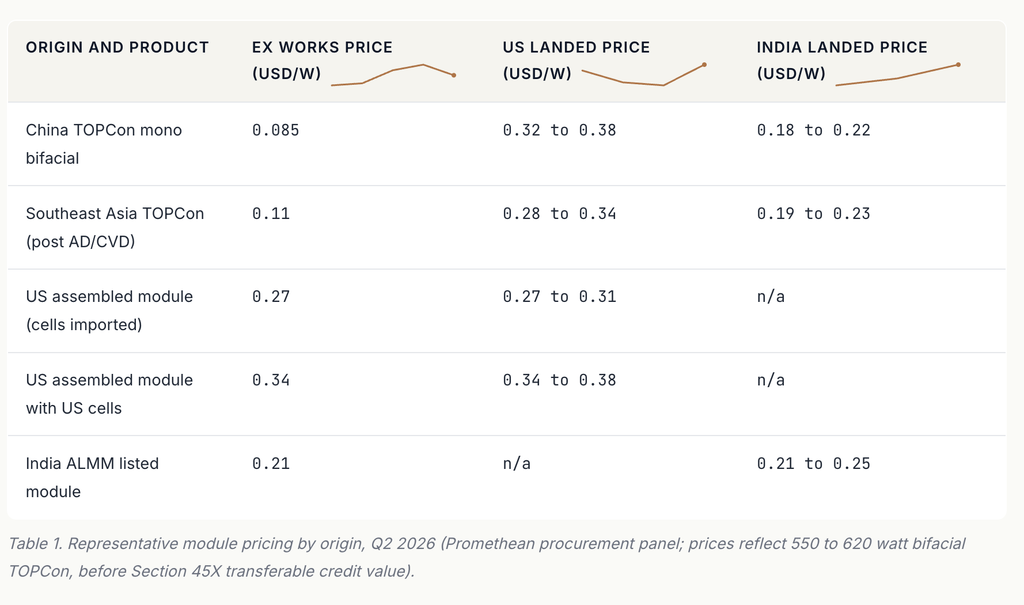
The ESMC and others would counter that job creation, tax revenues, and local value creation must be weighed against the profit-destroying effects of this ruthless global competition. There is also the urgent question of energy security: Europe is seeking not only to reduce its reliance on imported fossil fuels, but also to secure the technologies needed to generate clean electricity domestically. Podewils also highlighted the growing importance of solar and battery storage for military applications and the rapidly expanding space industry, alongside rising electricity demand from data centers and e-mobility.
Europe’s technological prowess could provide a point of differentiation. Fraunhofer ISE, for example, argues that its Matrix Shingle technology could give manufacturers deploying it a competitive edge. More broadly, there is the potential that a European supply chain, including materials, production equipment, and gigawatt scale production, could achieve both the efficiency gains and cost reductions needed for competitiveness.
Beyond hope
Given the head start China’s solar industry now enjoys in cost, quality, and scale, however, European manufacturers will almost certainly require support to create a market for domestically produced PV, alongside assistance with operating costs during the ramp-up phase. Such efforts are also likely to be more effective if coordinated across Europe rather than pursued through a patchwork of national policies.
Or, as one veteran energy analyst put it to me on the sidelines of a recent event: “We’ll have to actually work together.”
There is plenty in Europe’s solar market, research base, and industrial know-how to justify optimism. But turning those strengths into factories capable of competing at scale will require Europe to decide what its solar manufacturing industry is worth – and whether it is prepared to pay the price to sustain one.
More from EU PVSEC 2026
For a broader look at the technologies, trends and conversations that shaped this year’s event in Rotterdam, watch our EU PVSEC 2026 wrap report below.
Thanks for reading Notes on a Sustainable Future! Subscribe to our Substack for more.


